
Bringing structure, consistency, and adaptability to a large-scale experiential program.
Working within Red Hat’s established event identity, the challenge was to bring structure to a massive volume of evolving creative and production information across multiple teams and vendors. From early planning through onsite execution, the work required a flexible, highly organized system to keep hundreds of assets, locations, specifications, and last-minute requests accurate, consistent, and moving forward.


Mapping graphic opportunities across the venue
Documenting placement, artwork and production details
Responding to real-time needs during installation
Supporting planning and stakeholder presentations
Before graphics could be designed, the venue had to be mapped. The 120-page Opportunities Book documented potential graphic locations throughout the convention center, pairing site imagery, floor plans, dimensions, and placement details to create a shared reference for planning the event environment.
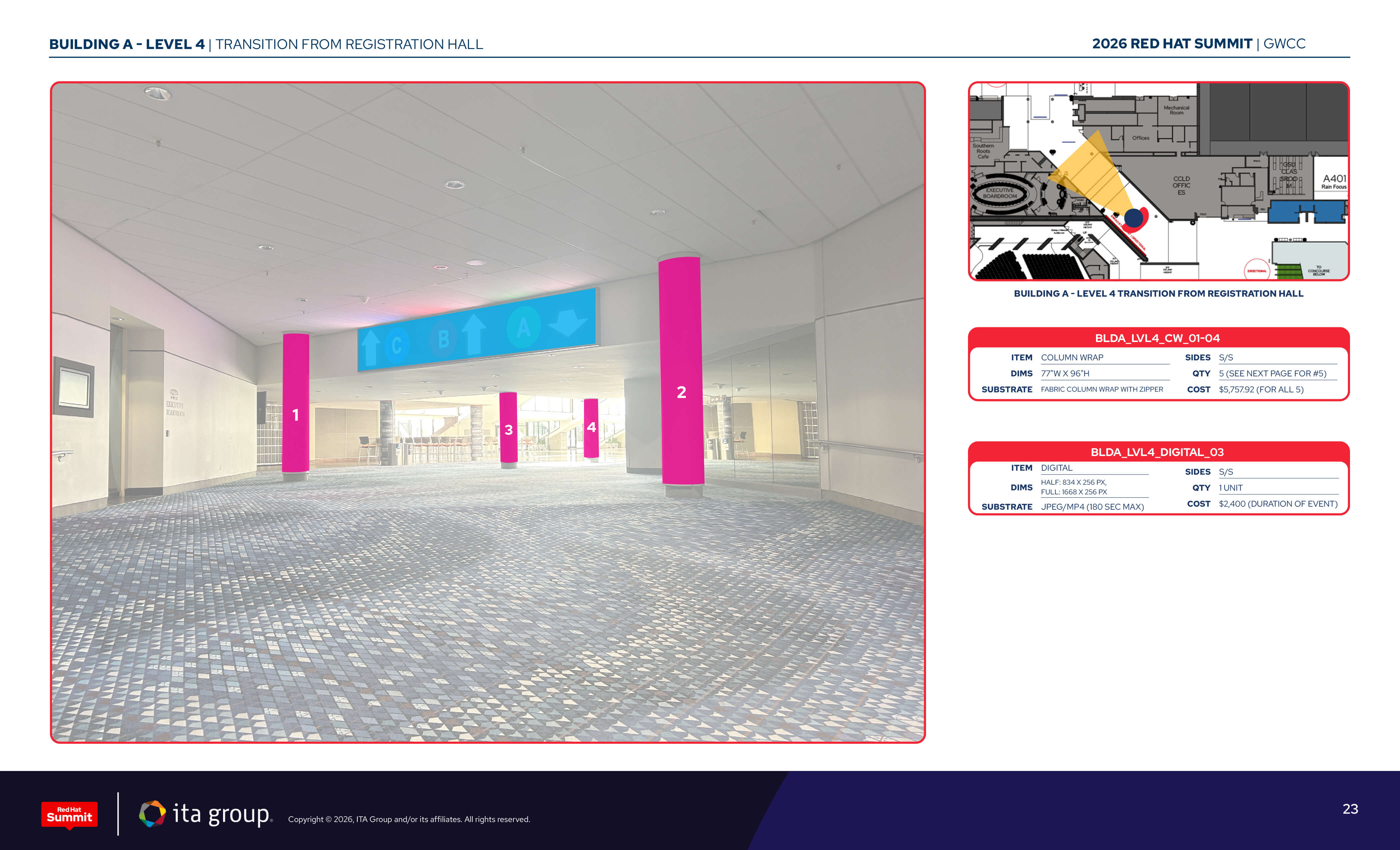
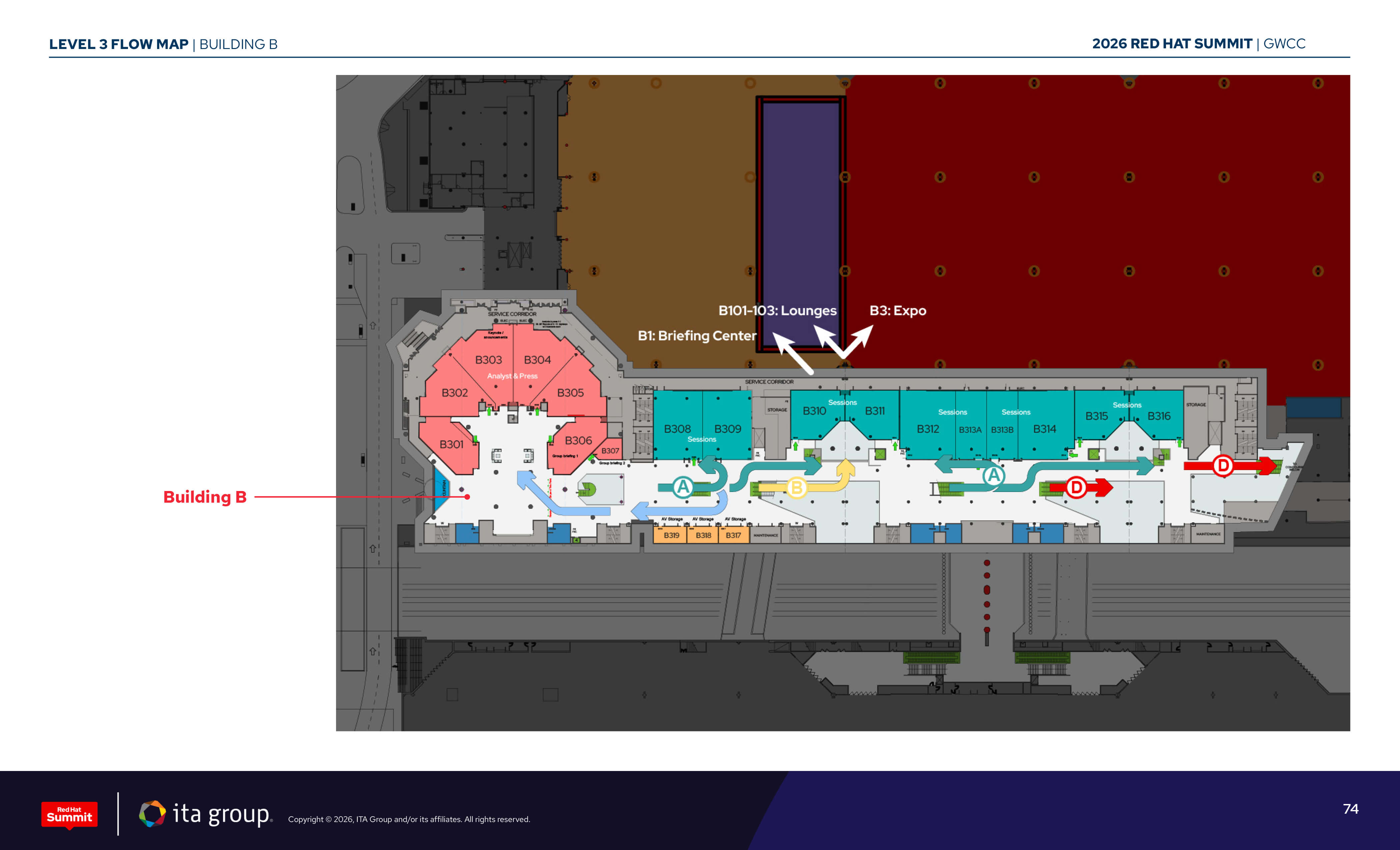
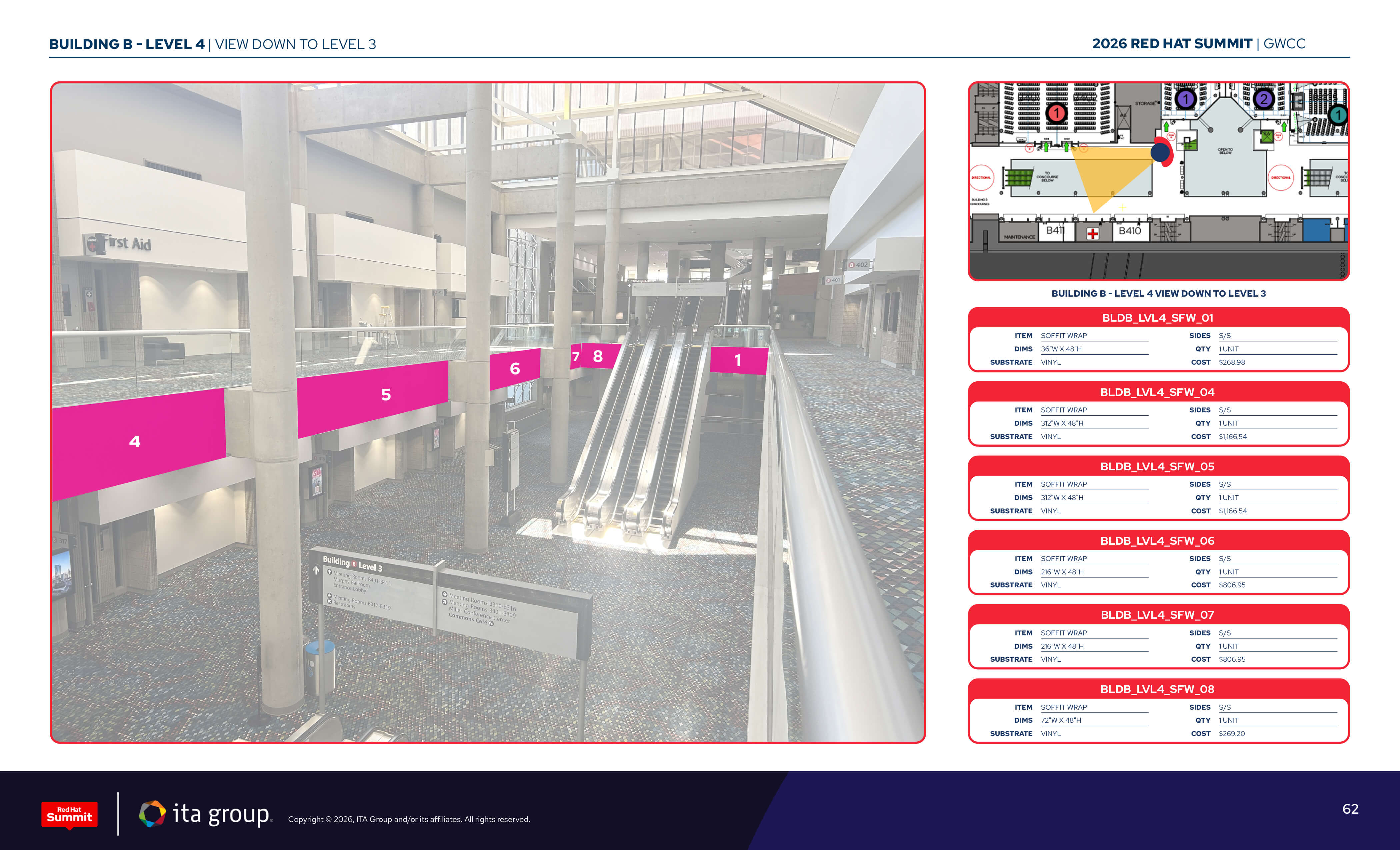
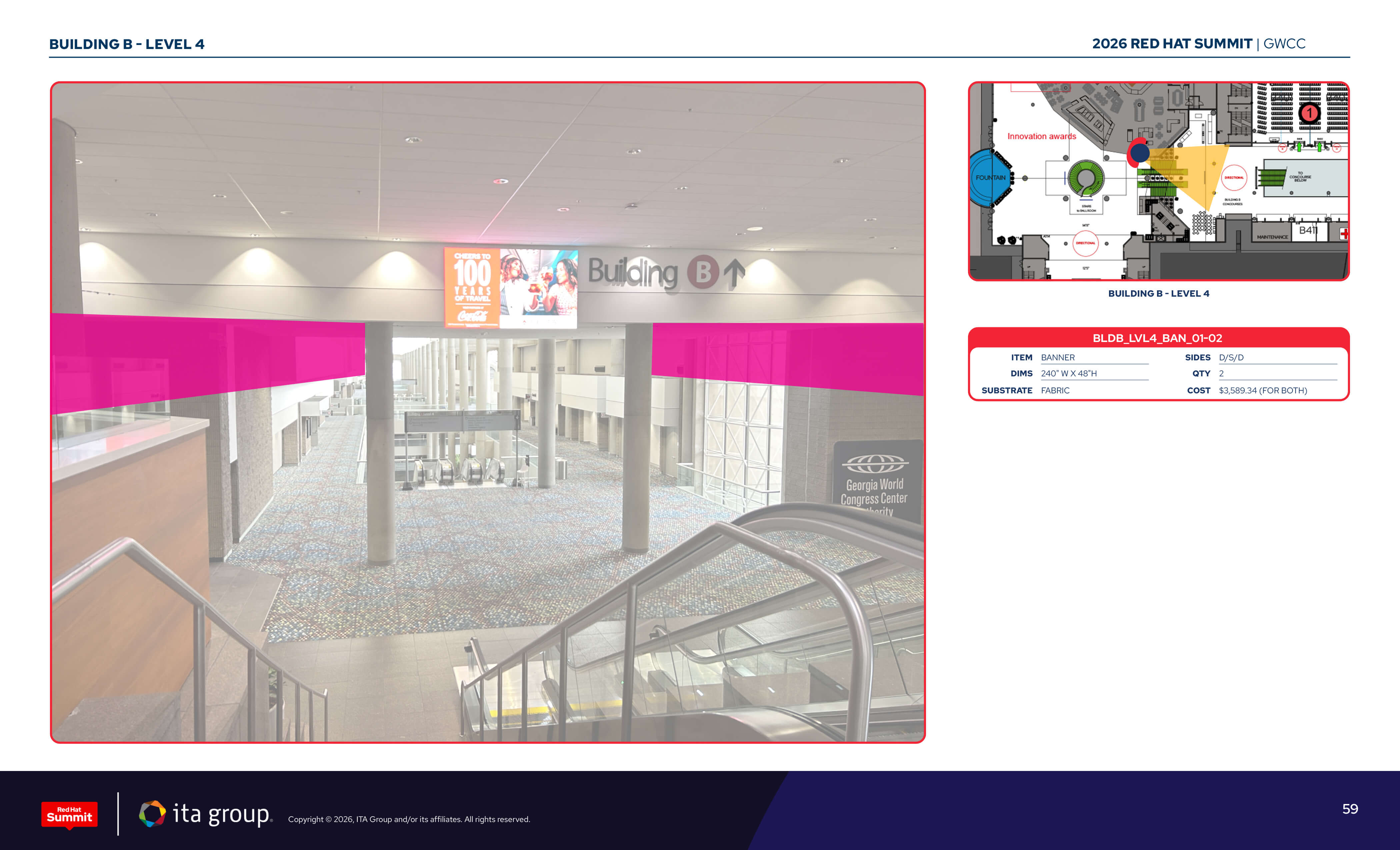
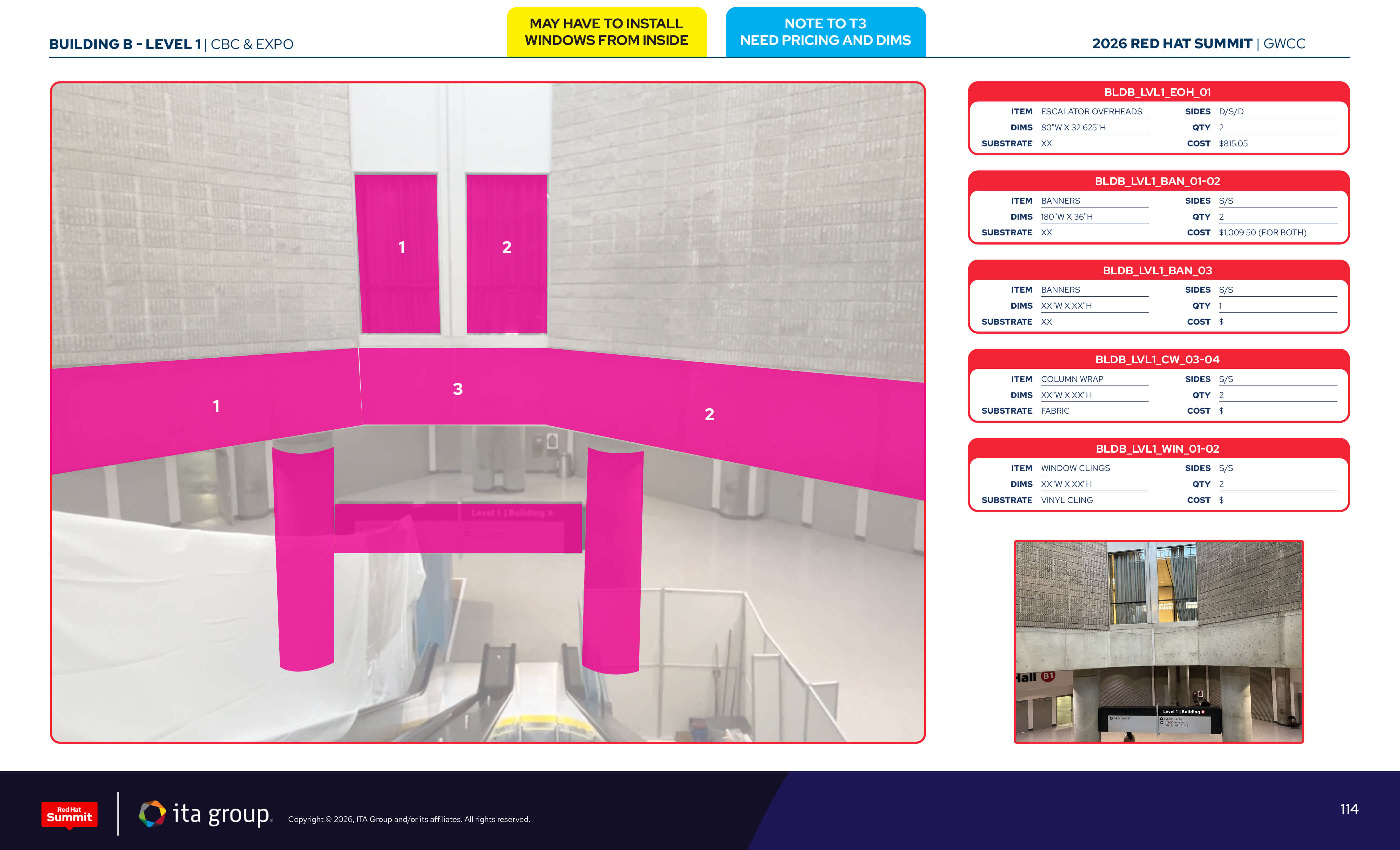
Signage book pages
Individual signage books
Spanning five event venues
Assets tracked through
production
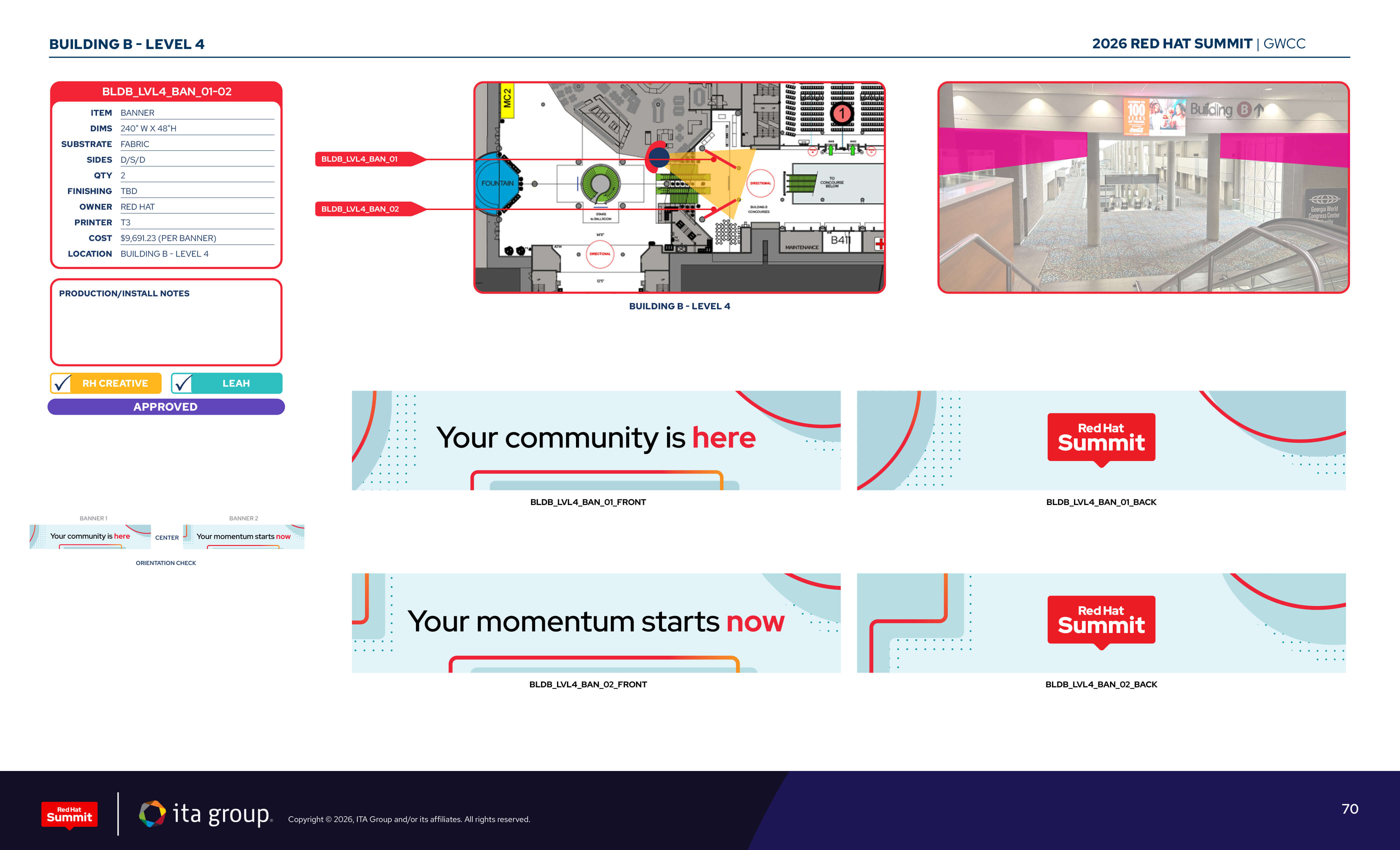
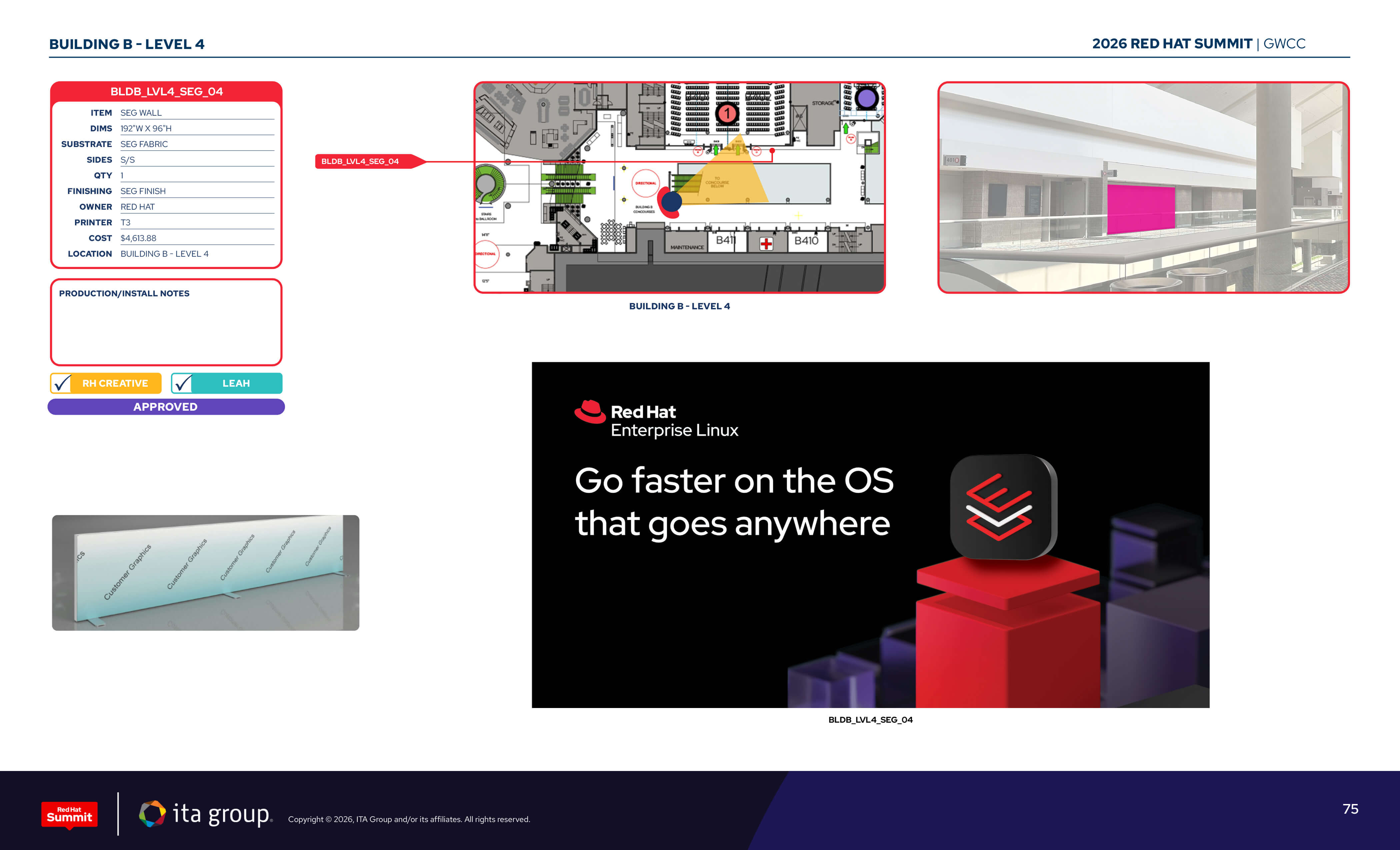
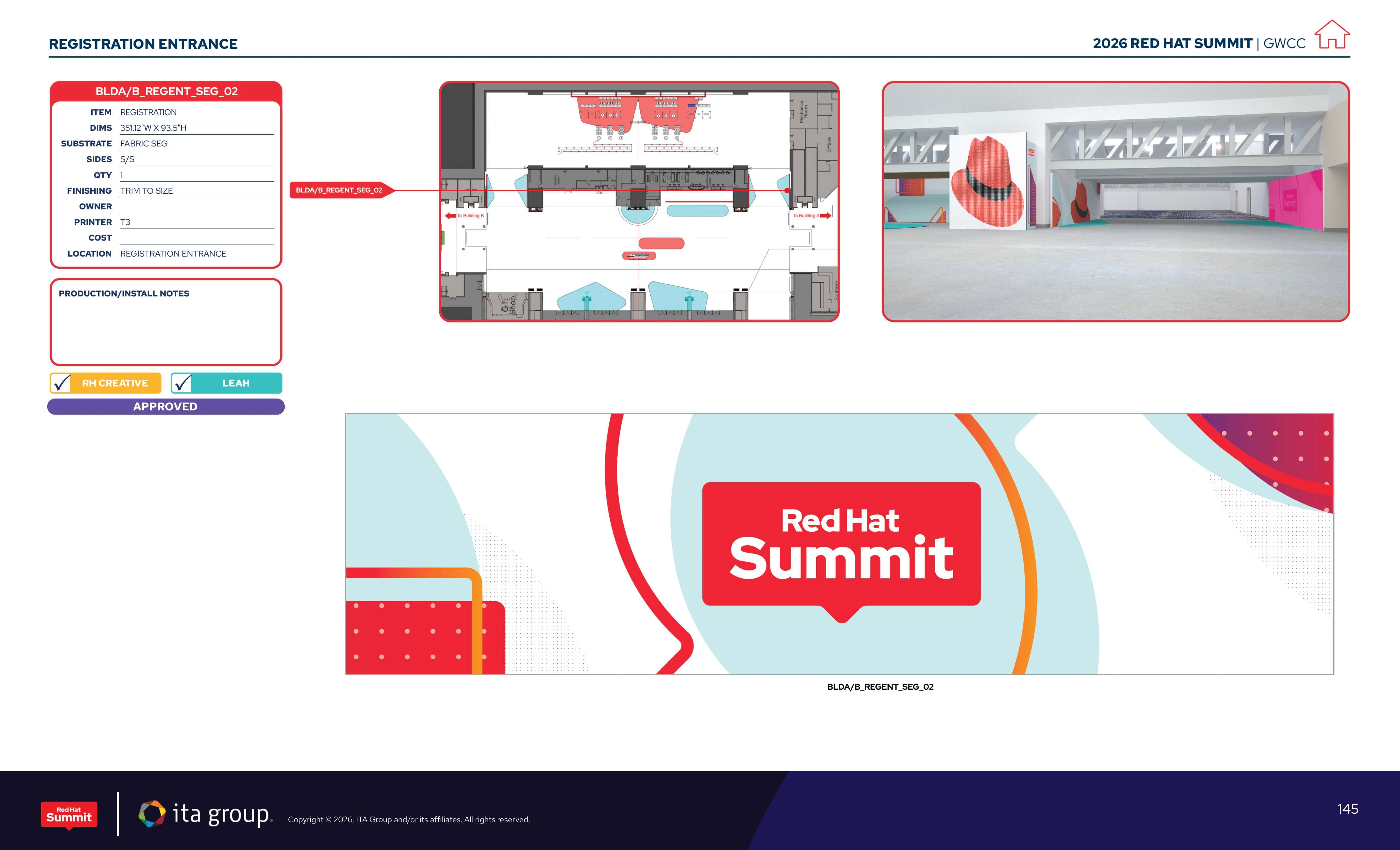
As event graphics were developed and approved, the signage books became the central reference connecting each asset to its physical location and production requirements. Across 15 books and 702 pages, I organized venue maps, site imagery, artwork, file information, dimensions, and specifications into a consistent system that evolved through multiple rounds of revisions leading up to the event.
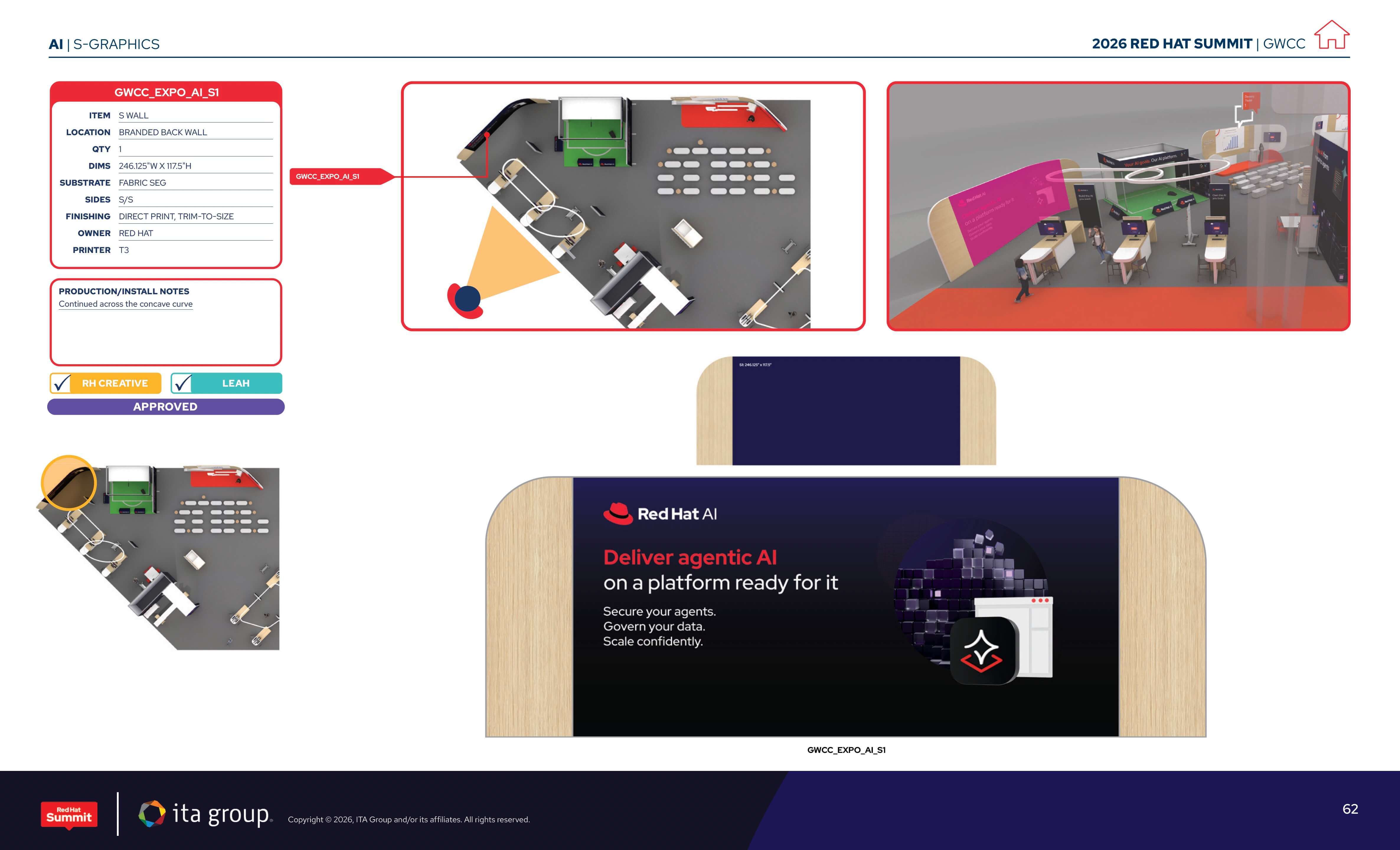
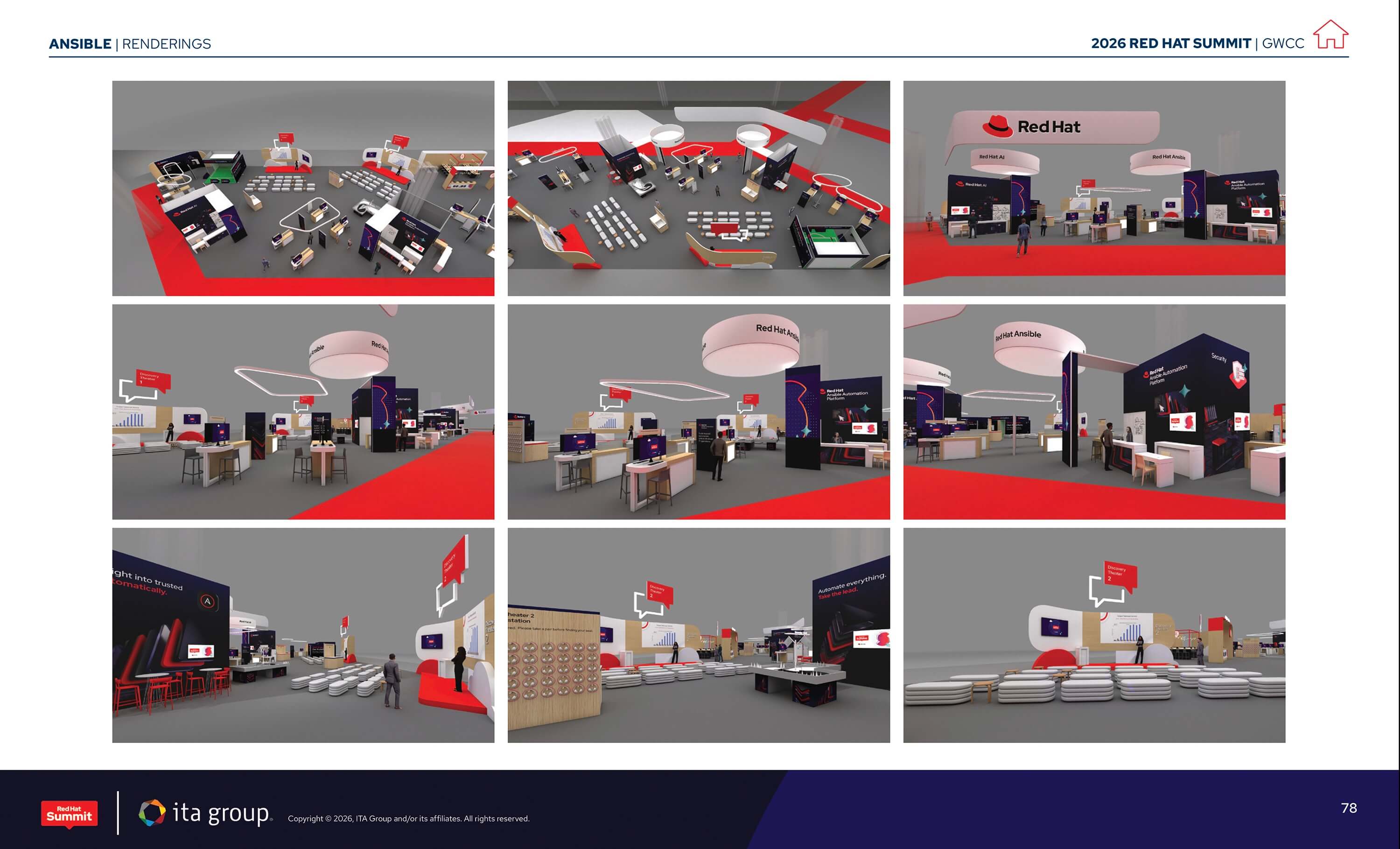
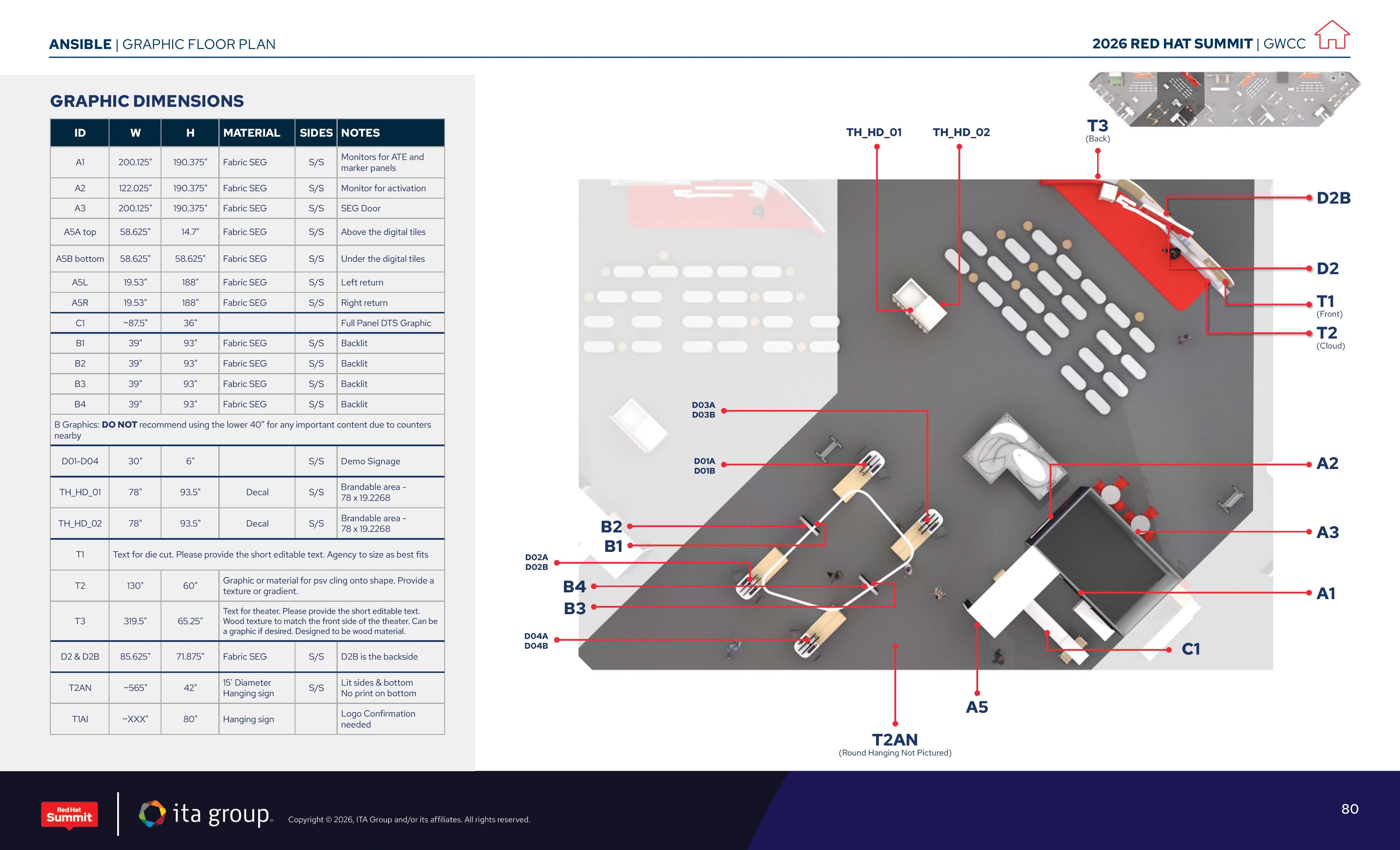
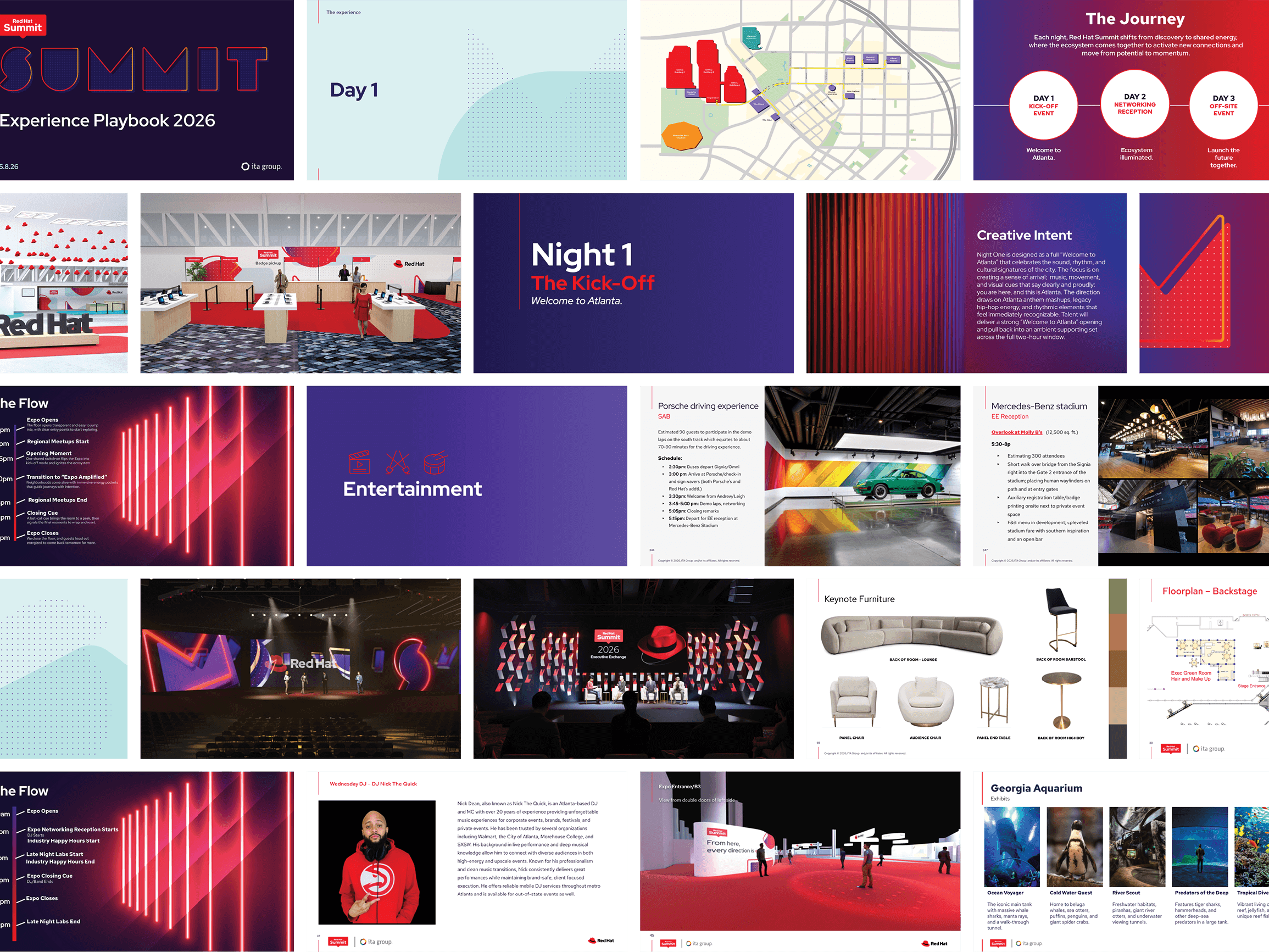
Working within Red Hat’s established Summit identity and presentation templates, I designed and refined more than 500 slides across planning, experience, and stakeholder presentations. Using content, renderings, plans, and information developed by the broader team, I organized complex inputs into clear, polished layouts that made evolving ideas easier to communicate and kept presentations visually consistent throughout the project.
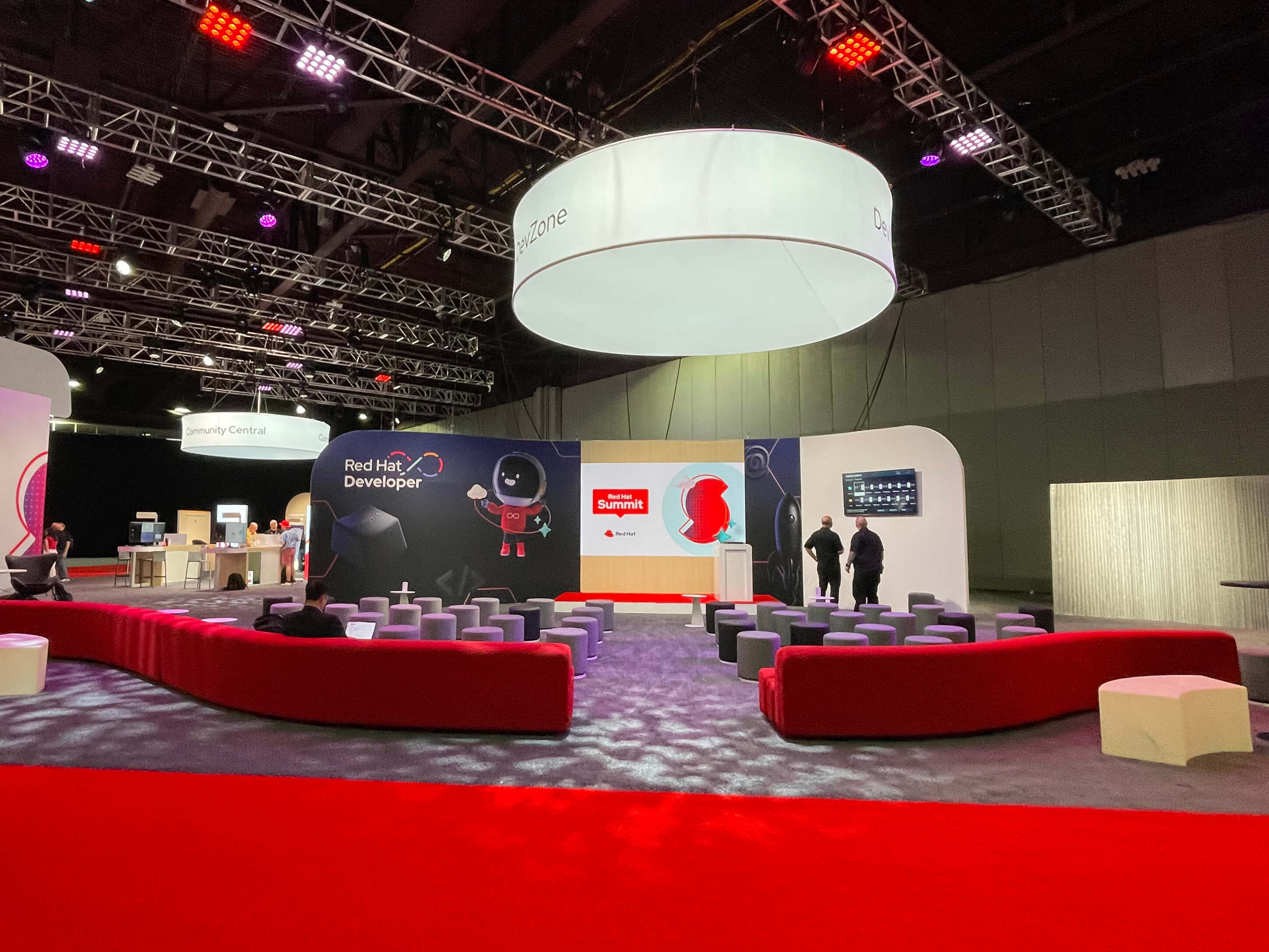
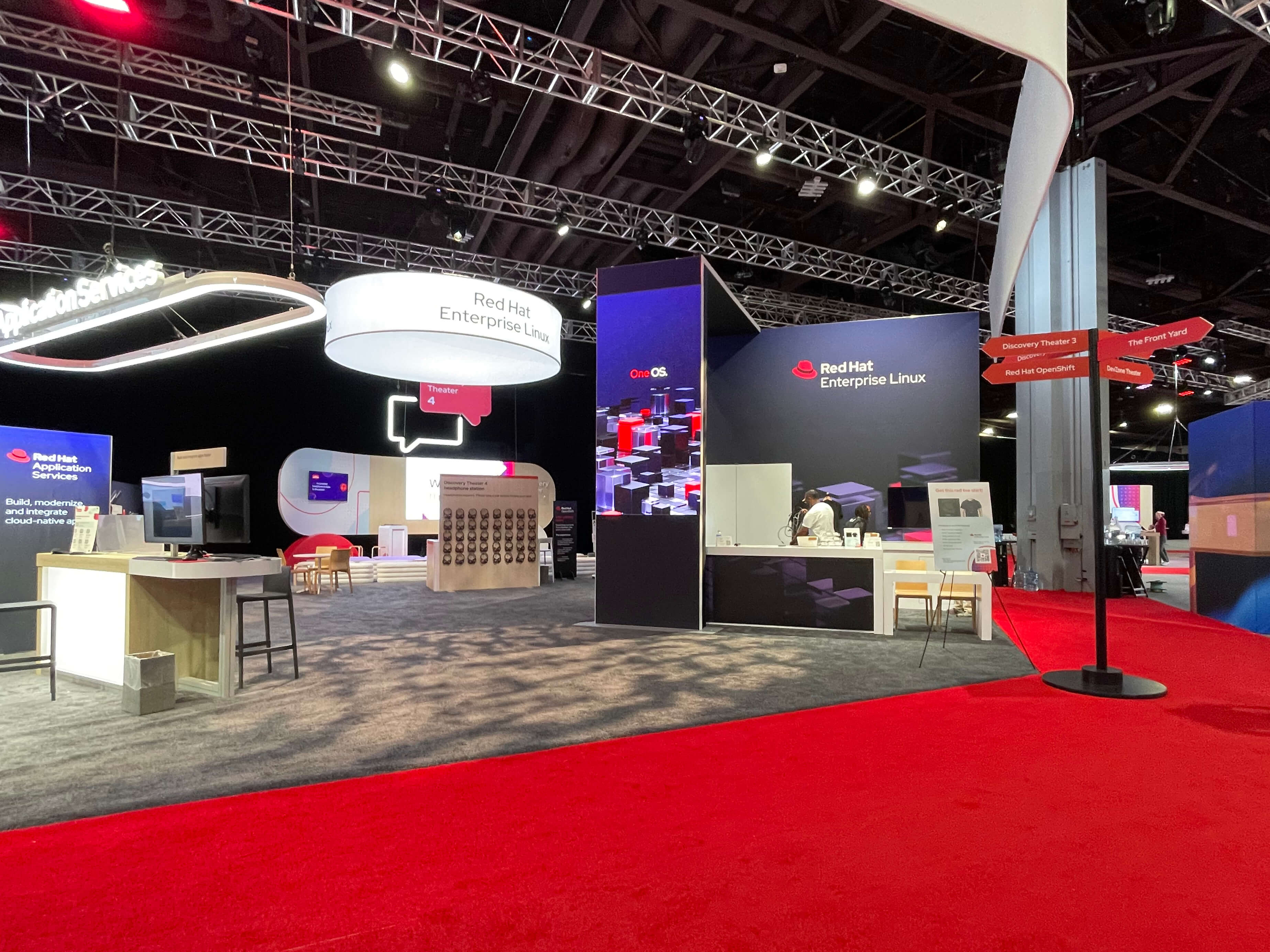
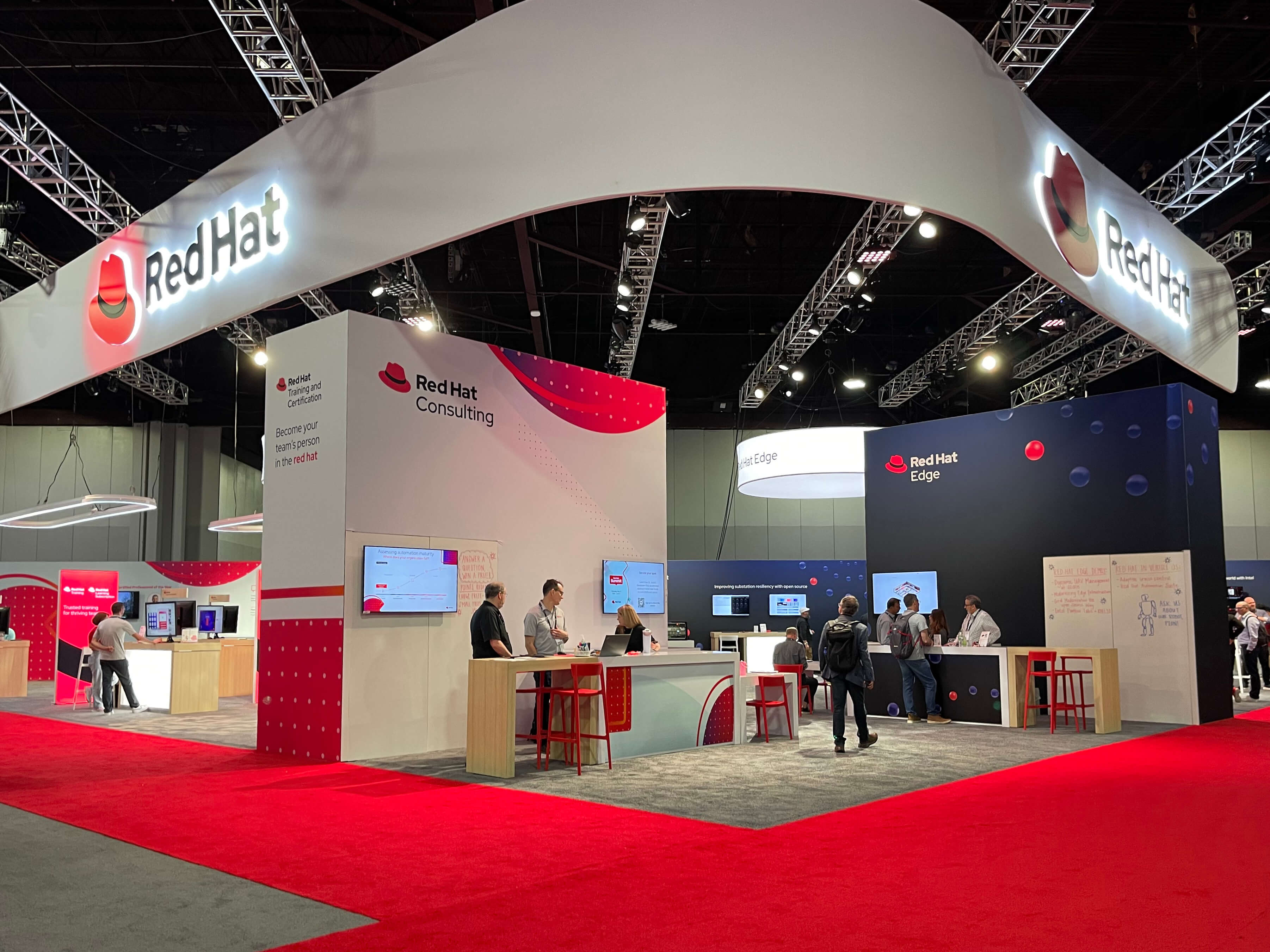
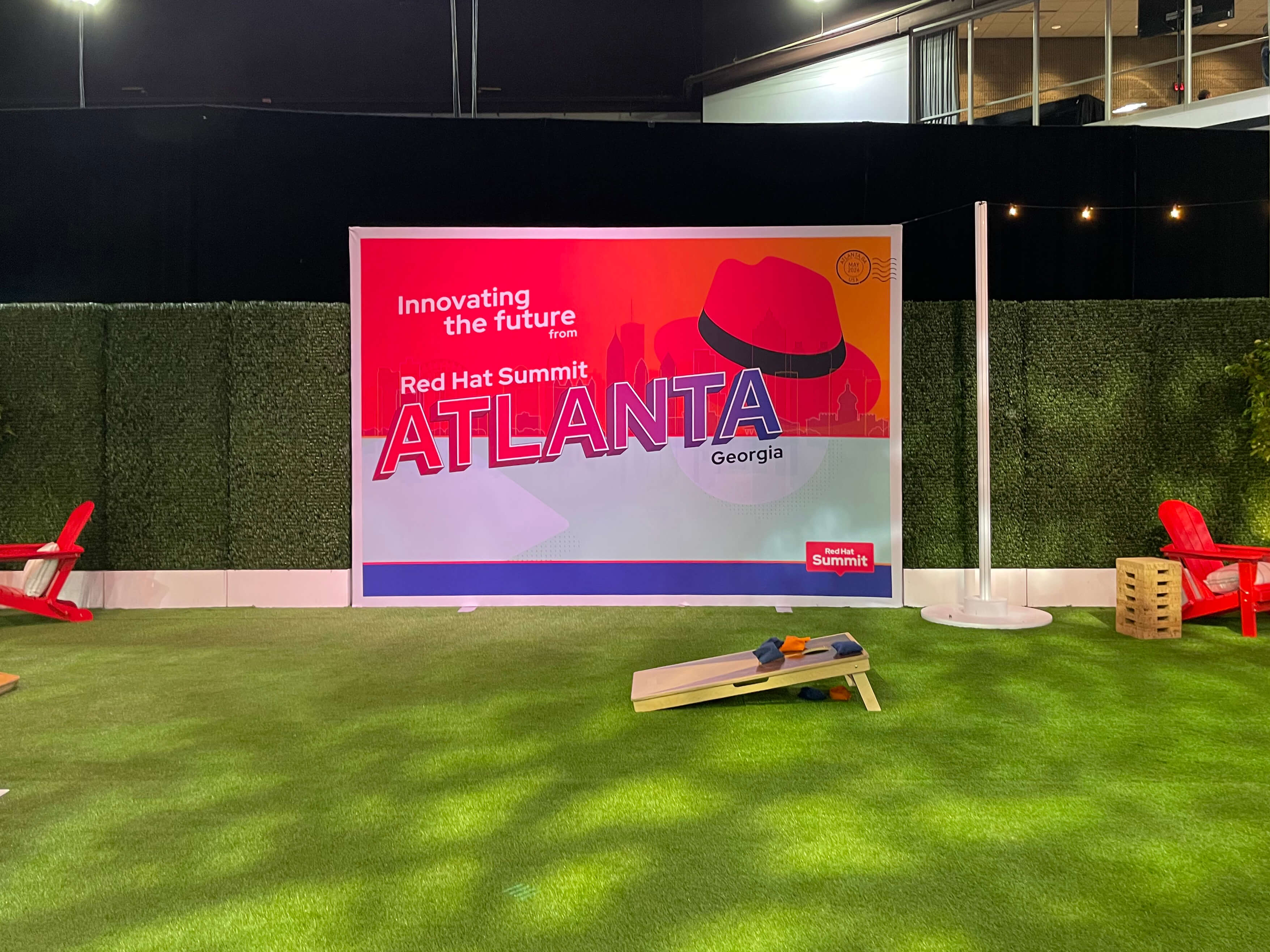
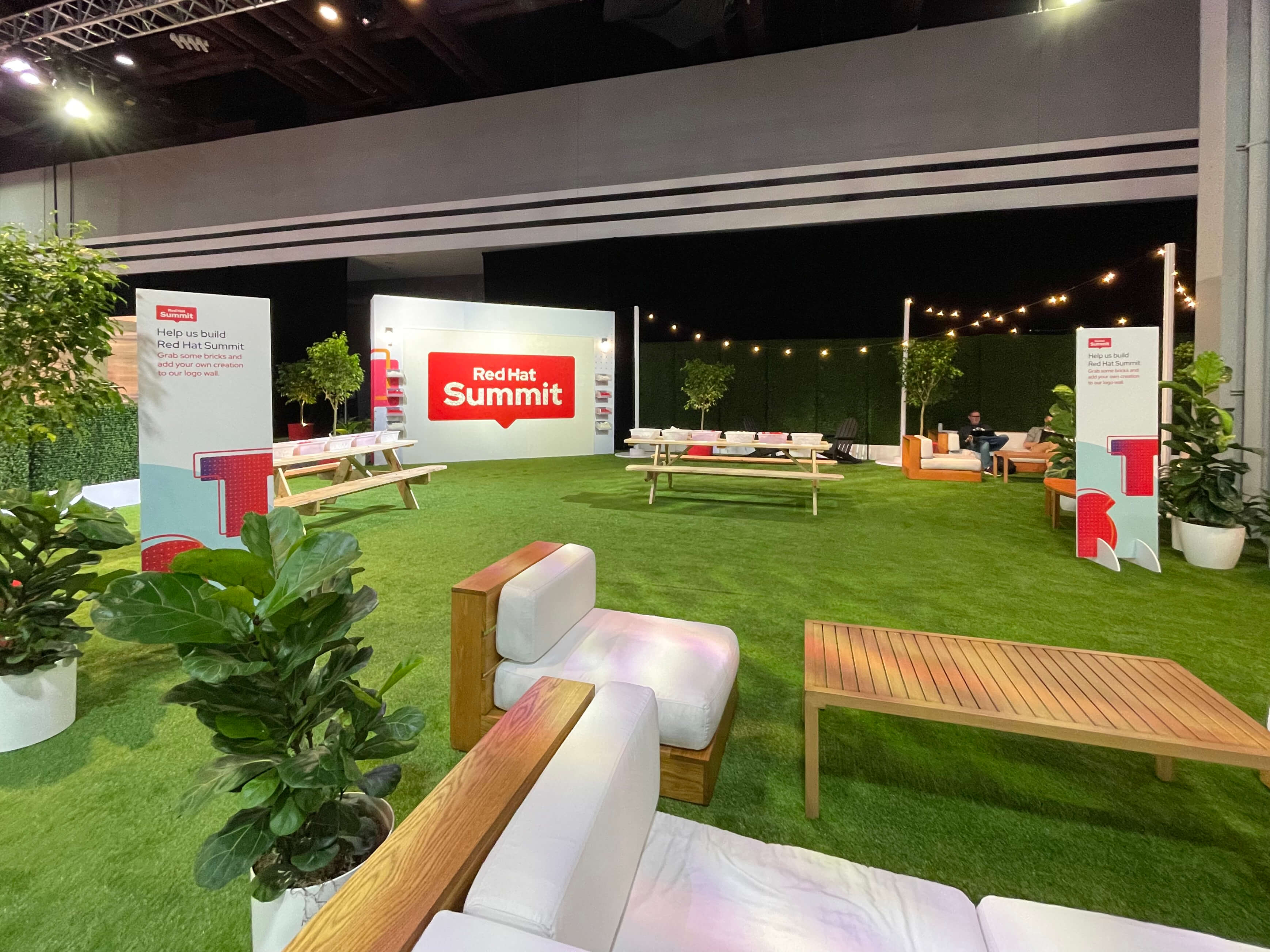
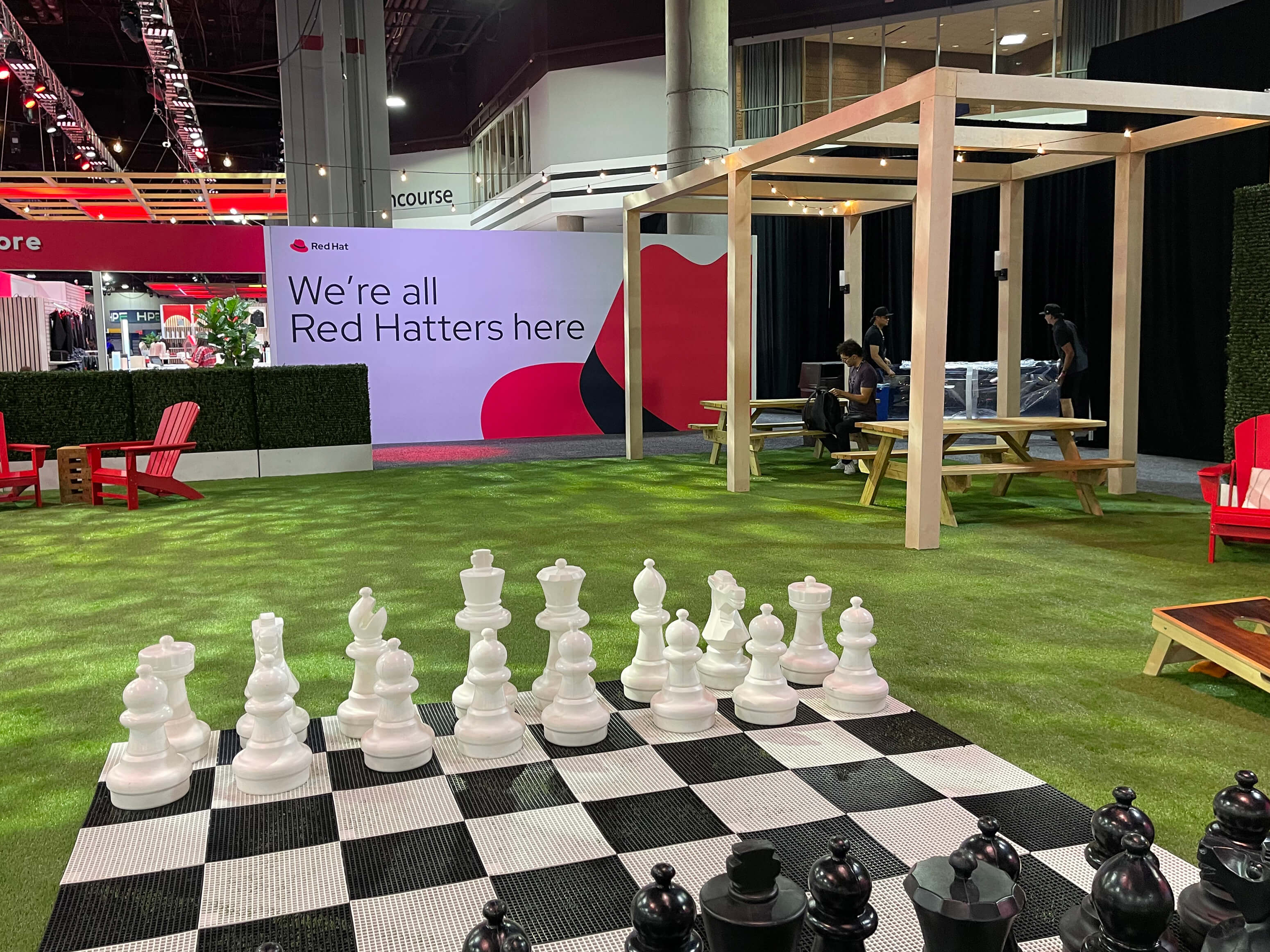
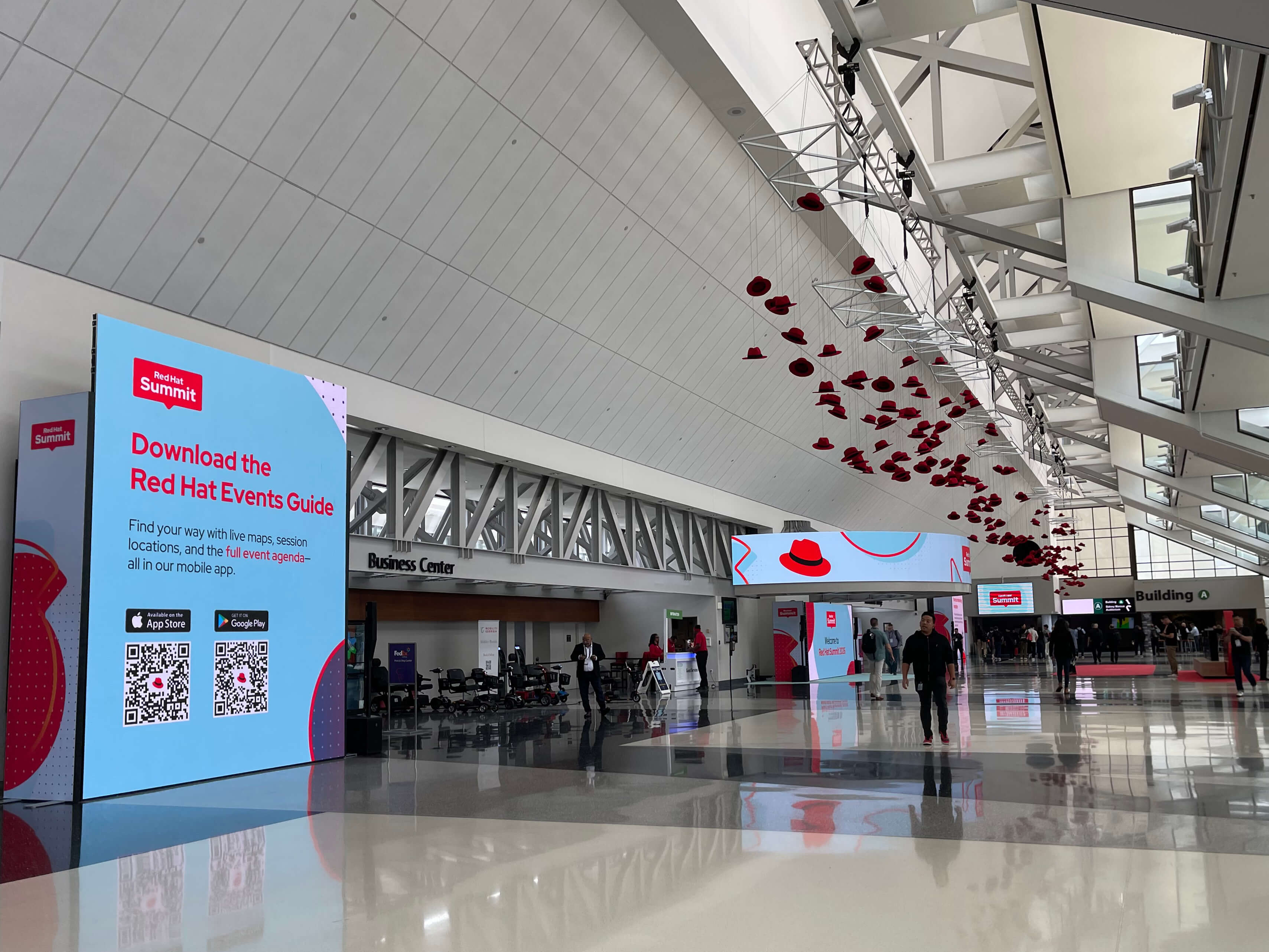
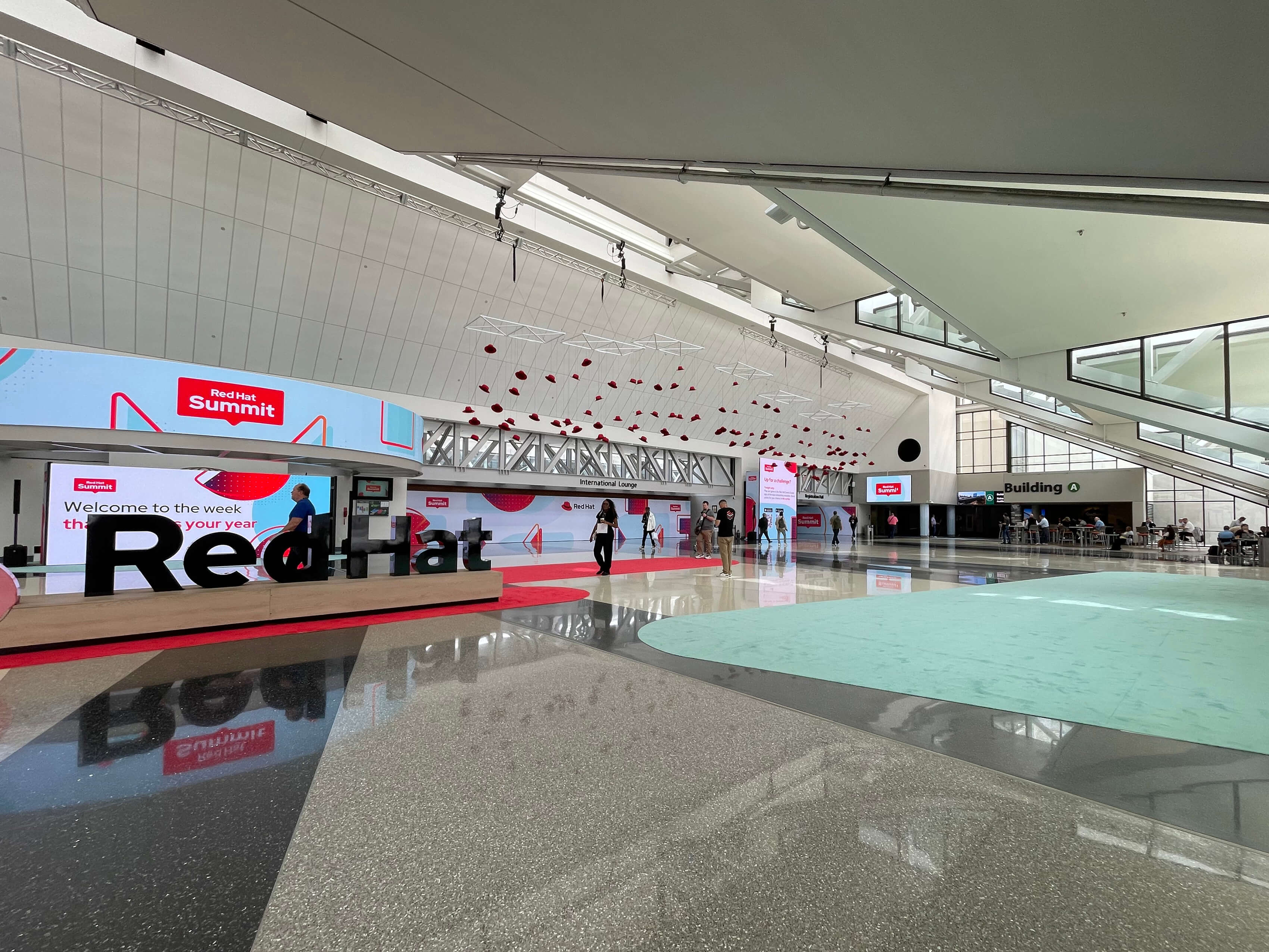
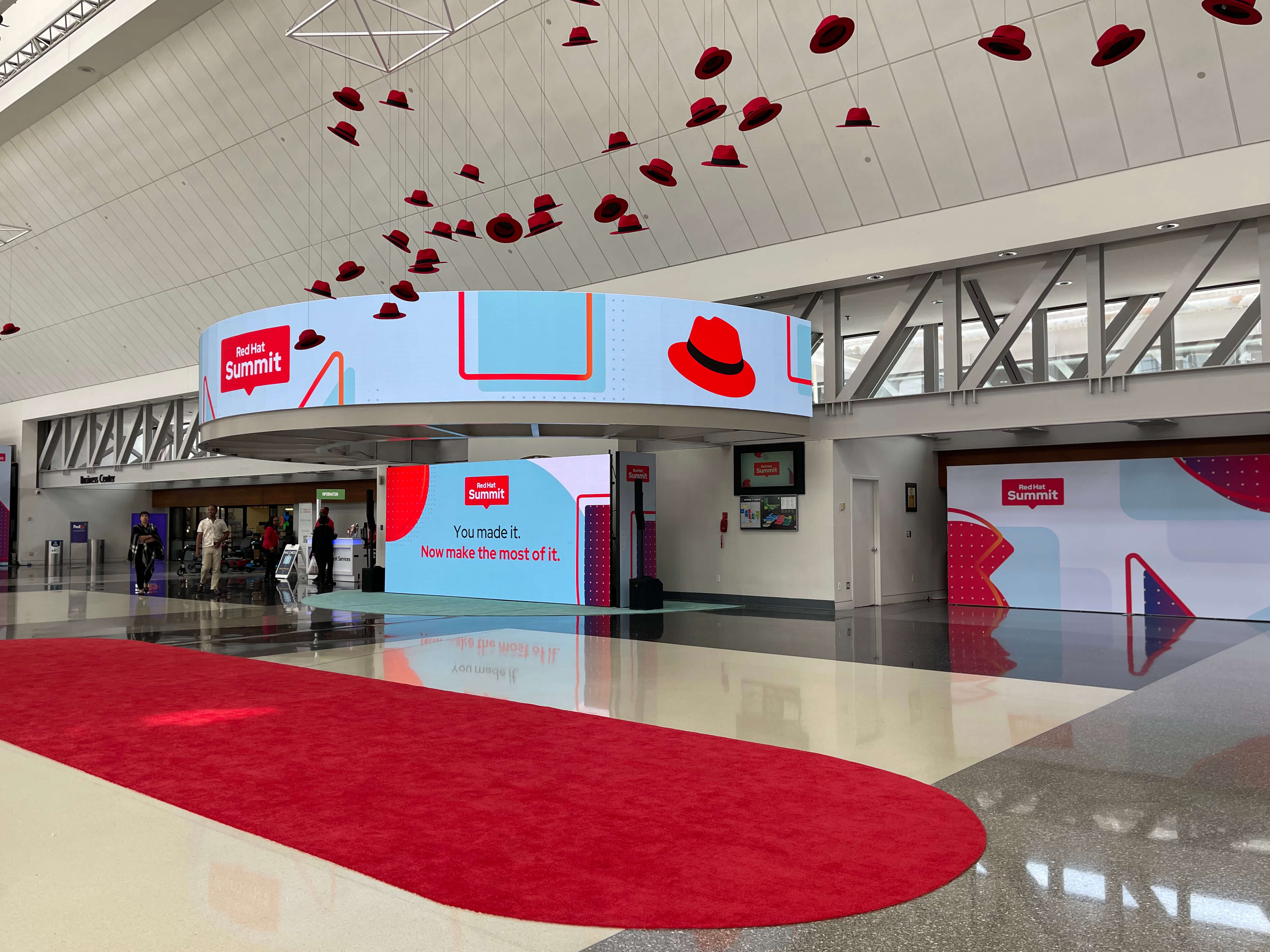
Months of planning, documentation, coordination, and design came together across multiple venues throughout Red Hat Summit. The finished environments demonstrate the scale of the signage program and the role these systems played in carrying a cohesive experience from production files into physical space.
![[background image] image of art supplies on a desk](https://cdn.prod.website-files.com/6a5fe0199a370d98757111fe/6a7cfc0f414f5a757dc097a5_RH26-16x9%20Cover.png)